CO2 Laser Cutter for Acrylic: A Practical Buying Guide
A CO2 laser cutter for acrylic should be chosen around the sheets and finished parts you expect to sell. Clear acrylic is a strong reason to choose CO₂ technology. Then compare usable bed size, verified cutting quality, extraction, software and support using a representative job before deciding on power or price.
Start with the acrylic products you plan to make
A workshop making small nameplates has different requirements from a sign shop cutting large display panels. Write down your usual sheet thickness, largest finished part and expected weekly workload. Include the acrylic grade and colour: a demonstration on thin black sheet does not answer every question about clear display components.
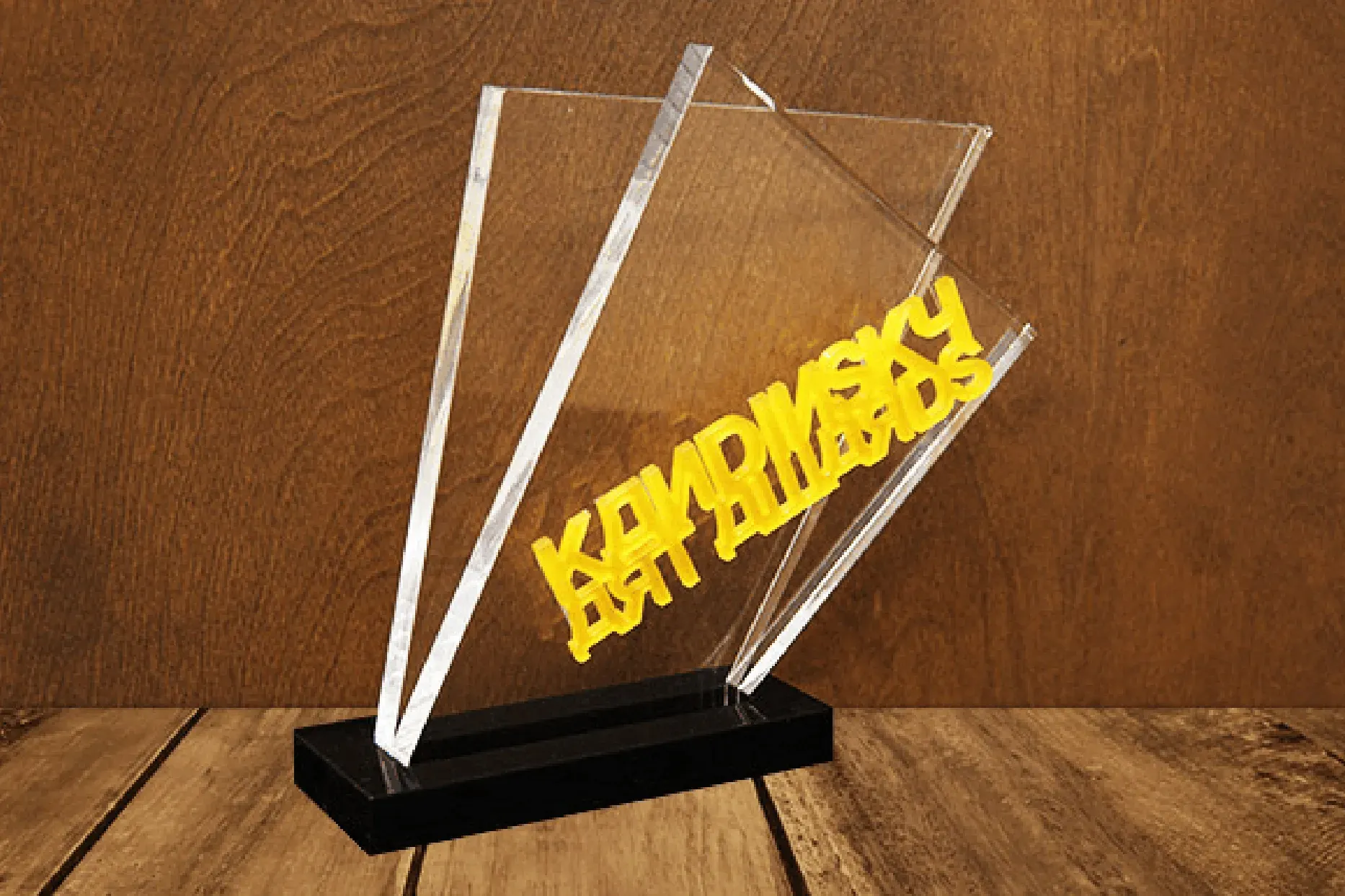
For a mixed cutting and engraving business, include both operations in the brief. An award may need a readable frosted inscription, a clean outside profile and a base that fits correctly. A machine demonstration should show the complete part, including the assembly.
Good-Laser’s acrylic application information is a starting point for matching these requirements to the material. For purchasing, the useful question is whether the proposed system can repeatedly make your accepted part at an affordable production cost.
Why choose CO₂ for clear acrylic?
Acrylic absorbs the infrared output used by conventional CO₂ cutting systems. This allows clear sheet to be cut without relying on a dark pigment to absorb visible blue light. Blue diode machines can process certain compatible opaque acrylics, but a demonstration on those materials should not be treated as proof that the machine will cut transparent sheet.
For a business offering clear, coloured and engraved acrylic products, CO₂ is therefore a sensible category to investigate first. The exact sheet still needs approval. Mirror backings, coatings and masking films can change the processing requirements.
Confirm that the material is PMMA acrylic. An unidentified transparent plastic could be a different polymer with different processing hazards and results. Obtain the material identification and safety information before arranging a trial.
Choose the sheet before comparing machine settings
Cast and extruded acrylic can both be laser cut. Their differences affect engraving appearance, fit and subsequent fabrication, so include the actual grade in the machine trial.
| Material choice | Why a buyer might select it | What the trial should establish |
|---|---|---|
| Clear cast acrylic | Frosted engraving for awards, plaques and decorative panels | Engraving contrast, edge appearance and the fit of assembled parts |
| Extruded acrylic | Cut profiles where sheet consistency and material cost matter | Edge finish, burrs and behaviour during later assembly |
| Coloured or specialty acrylic | Signs, layered graphics, decorative products and displays | Colour changes, coating compatibility and the appearance of the finished edge |
Acrylic supplier Simply Plastics explains these material differences, including why clear cast sheet is commonly chosen for frosted engraving. Its guidance also notes that pigments can affect the cutting result. Buy the machine against the sheet you will actually purchase.
How much laser power do you need?
There is no reliable wattage-per-millimetre rule that settles a purchase. Source output, optics, focus, sheet formulation and the required edge finish all affect the result. Higher power can be useful when a suitable configuration completes the required cut faster, but the benefit needs to appear in the job demonstration.
Distinguish three claims in a quotation: the thickest material the machine can separate, the thickness it can cut to your quality standard, and the workload it can sustain during an ordinary shift. A photograph of one unusually thick cut gives little information about daily production.
For thin craft pieces, investigate whether a compact system can meet the complete workload. For thicker sheets or repeat orders, compare configurations on the same drawing and material. Ask for the elapsed time, number of passes, rejected parts and any finishing needed after cutting.
Also check what the quoted wattage describes. Laser output and total electrical consumption are different specifications. Advertised maximum movement speed is another separate figure; it should not be entered into a production estimate as the acrylic cutting speed.
If the shortlist includes glass-tube and RF CO₂ sources, compare the supplied cooling arrangement, service requirements and replacement costs. Include fine engraving in the demonstration when it matters to your products. The source label alone does not establish which complete machine will deliver the better result for your business.
Size the machine around a real sheet layout
The largest part has to fit inside the usable cutting area, with any necessary clearance. The next question is how many parts fit on each load. A larger bed can reduce handling, although the value depends on your product mix and the sheet sizes available from your supplier.
Good-Laser’s desktop laser engraver range provides a place to start a compact-system comparison. Bring a drawing of your largest part and a representative batch layout to that discussion.
Ask the supplier to distinguish the working area from the physical platform size and the largest sheet that can be loaded. A pass-through opening introduces additional questions about support, registration and the protective arrangement required during use. It does not automatically make a long sheet equivalent to one continuous cutting field.
Measure the installation route as well. Doorways, delivery access, machine weight and service clearance can decide whether a system is practical before its cutting capacity becomes relevant.
Which Good-Laser systems belong on the shortlist?
The Light 530 and Light 640 are useful starting points for a supplier comparison. The published information supports considering them for acrylic work; a trial and a written configuration are still needed to establish the result for a particular order.
Light 530 for a compact cutting and engraving workflow
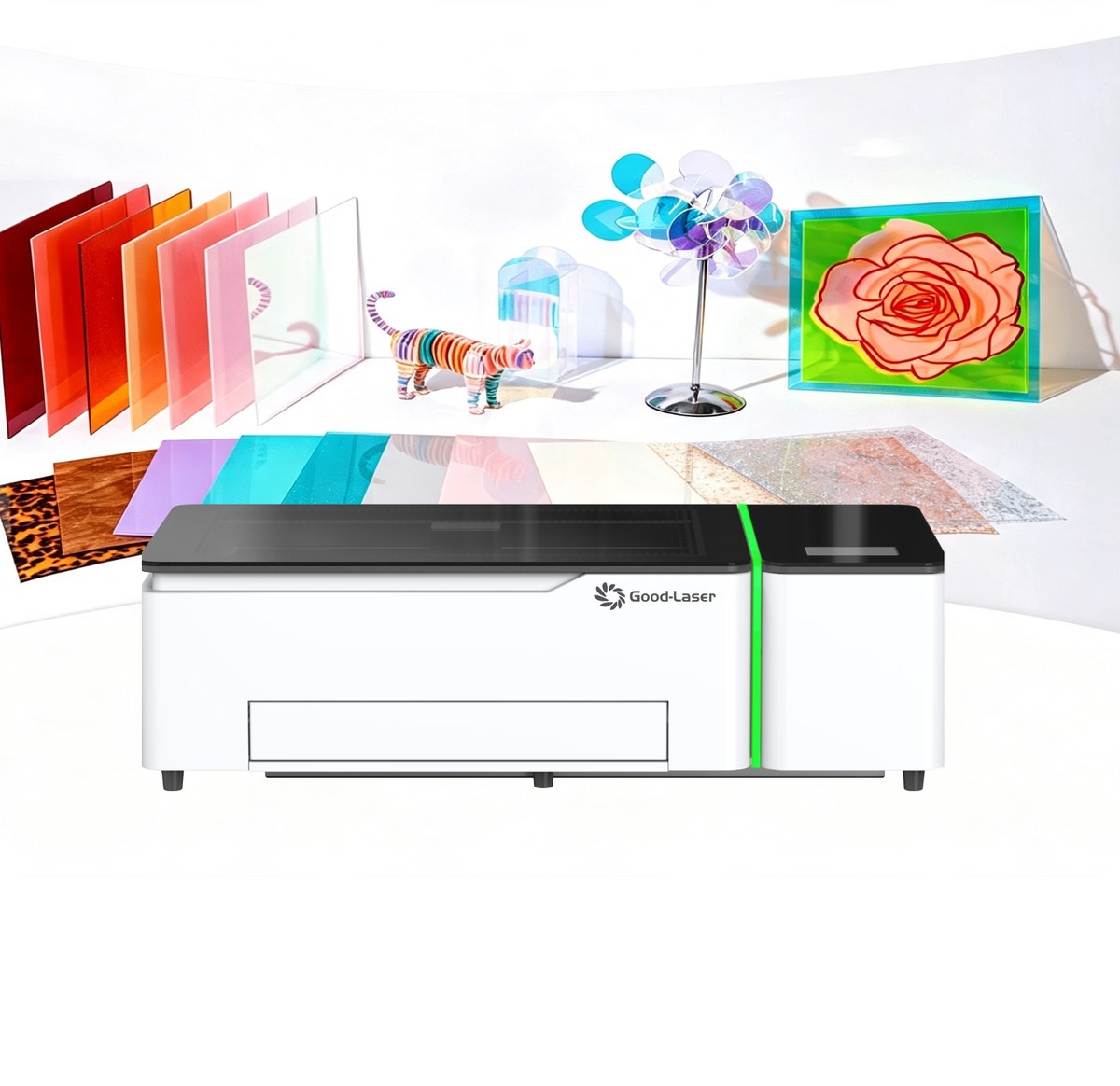
The Light 530 is listed with a 55W CO₂ source, camera positioning and LightMaker control. Buyers looking for a CO₂ laser cutter and engraver can use it as the compact option in their evaluation. Confirm the usable cutting dimensions and included equipment in the quotation, because different sections of the published material give different working-area descriptions.
Light 640 for a larger batch layout
The Light 640 information on Good-Laser’s co2 laser cutting machine range page lists a 600 × 400 mm working area. Evaluate it when that format improves the fit of your regular parts or reduces loading. Published power options differ between sections of the page, so ask which source and output are included in the proposed configuration.
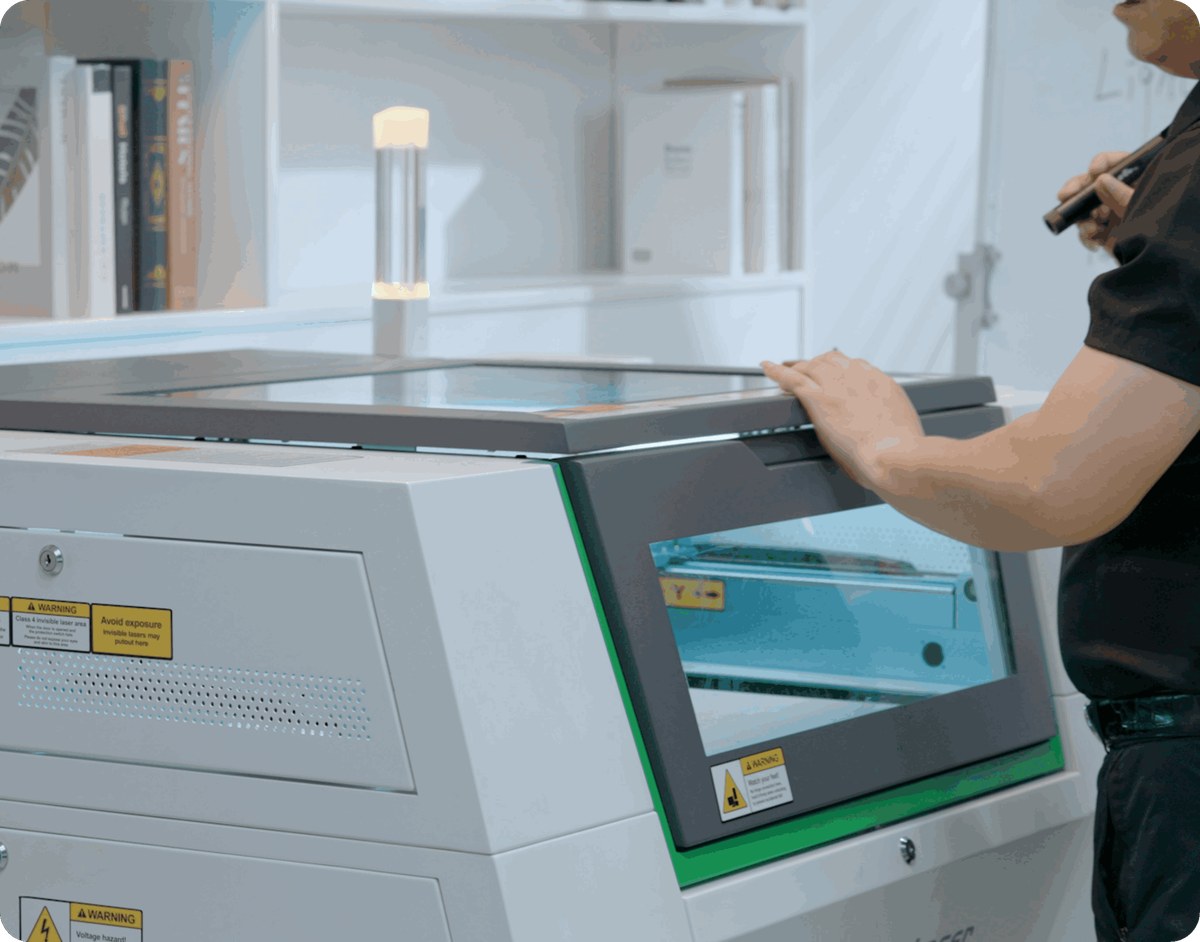
Compare both machines using the same acrylic grade, drawing and acceptance criteria. Neither a larger enclosure nor a higher listed output establishes a particular production rate without that comparison.
Inspect the edge finish and assembled part
Ask to examine the sample from both faces. Check the clarity of the exposed edge, surface marks, corner detail and whether the cut is acceptably square. A clear edge can still be unsuitable for an optical component or a joint with a demanding fit.
For slot-and-tab products, measure the supplied sheet and test the assembled fit. The width removed by the cut, often called kerf, belongs in this discussion. Use a small fit sample to determine the allowance for the actual material and process instead of assuming one universal compensation value.
Consider what happens after cutting. If the part will be bonded, bent or cleaned with chemicals, assess the proposed finishing and cleaning procedure with the acrylic supplier. Heat-related stress and chemical exposure can contribute to cracking. A sample that looks good immediately after cutting may need further evaluation before an assembly method is approved.
Ask for an acrylic-specific process demonstration
A useful demonstration explains how the result was obtained and what the operator must control. It should establish the manufacturer-approved combination of power, speed, focus, support and airflow for the proposed sheet.
Generic advice can conflict. Some pages recommend strong air assist, while acrylic-specific guidance discusses reduced airflow to improve the edge. Air assist at the cutting head and exhaust ventilation perform different functions. Have the supplier show the approved arrangement for the quoted machine; reducing nozzle flow is not a reason to reduce required extraction or bypass protective measures.
Likewise, confirm whether the supplied masking is approved for laser processing and whether it stays in place for each operation. Do not assume that every protective plastic film is suitable.
Use the machine maker’s parameters as a starting point. Manufacturer material-setting guidance explicitly distinguishes different models and wattages. Percentage settings copied from another machine are not a dependable Good-Laser recipe.
Check software using a file your business already uses
Send a representative vector file before the demonstration. Confirm scale, closed contours, duplicate lines and the order of engraving and cutting. A correctly imported file should preserve the geometry your customer approved.
The laser cutter software page introduces Good-Laser’s workflow. Ask which program, licence and controller are included with the quoted machine, and have the supplier demonstrate any additional application you require. General brand compatibility does not establish support for every model or firmware combination.
Camera alignment is convenient, but it should also be tested at the material height and position you expect to use. For printed acrylic or registered artwork, include alignment accuracy in the sample acceptance criteria.
Budget for a complete installation
When comparing a laser cutter price, establish what will arrive and what the buyer must provide. Extraction, cooling and electrical provisions deserve the same scrutiny as the cutting head.
| Cost or requirement | Question to resolve before ordering |
|---|---|
| Extraction and filtration | What equipment, ducting, discharge arrangement and filter replacements are required for the installation? |
| Cooling and utilities | Which cooling system is supplied, and what power and environmental conditions are needed? |
| Training and maintenance | Who provides training, optical cleaning instructions, service and replacement components? |
| Software and accessories | Which licences, tables, lenses and positioning accessories are included? |
| Delivery and commissioning | Does the total include freight, duties, unloading, installation and acceptance testing? |
Acrylic is combustible, and cutting produces fumes. Plan extraction and supervised operation, follow the operating instructions, and keep the processing area clear of accumulated debris. An enclosed design still requires the specified installation, maintenance and operating controls.
For a production comparison, calculate cost per accepted part: sheet usage, operator time, finishing, rejects and equipment running costs divided by the number of saleable pieces. This makes an apparently cheaper machine easier to compare with a system that needs less handling or rework.
For occasional orders, compare ownership with outsourcing the cutting. Include the time spent preparing artwork, maintaining equipment and supervising the job. A purchase becomes easier to justify when recurring work can use the available capacity; an advertised processing speed cannot establish a universal payback period.
Use a sample acceptance brief before placing the order
Prepare one brief that every proposed configuration must meet. Include the material supplier and grade, measured thickness, colour, drawing revision, quantity and intended assembly or finishing steps.
Specify what makes the result acceptable: visible-edge appearance, critical dimensions, engraving readability and the condition of the show face. Then ask for the complete batch time, starting with loading and ending with inspection. Record the machine configuration and process used so the demonstration can be repeated after delivery.
Good-Laser’s laser engraving samples service gives you a route to discuss material evaluation. Explain that you need acrylic cutting, including edge and fit checks, so the team can confirm an appropriate trial before you send material.
Frequently asked questions
Can a CO2 laser cutter cut clear acrylic?
Yes. Conventional CO₂ systems are suitable for cutting clear PMMA acrylic because the material absorbs their infrared output. The result still depends on the sheet and machine configuration. Verify the grade, masking and required finish, then test the intended thickness and geometry before approving a production job.
Is a 55W CO2 laser enough for acrylic products?
A 55W CO₂ system is worth evaluating for compatible acrylic work, including compact cutting and engraving applications. Its suitability for your business depends on the required thickness, part size, finish and batch time. Ask for a trial on the proposed configuration rather than treating 55W as a guaranteed thickness or output specification.
How thick can a CO2 laser cut acrylic?
There is no single thickness limit for the whole machine category. Ask for the limit of the exact configuration, then distinguish occasional separation from repeatable cutting to your acceptance standard. A thicker sheet may introduce additional concerns about edge taper, finishing and production time even when it can be cut through.
Should I choose cast or extruded acrylic?
Include the finished appearance and assembly requirements in that choice. Cast sheet is commonly considered for frosted engraving; extruded sheet can be useful for cut profiles where its supplied thickness and cost suit the design. Have the supplier demonstrate the actual grade, including engraving or assembly if those steps are part of the job.
Do I need a larger bed or more laser power?
A larger bed addresses part fit and batch layout. Additional power may address cutting capacity or time on a suitable configuration. Identify the bottleneck by running your representative job. Buying more power will not make an oversized part fit, and a larger bed alone does not establish a faster accepted cutting process.
Can one machine engrave and cut an acrylic award?
Many CO₂ configurations support both operations, but the material choice and workflow need to be checked together. Include the lettering, outside profile and base connection in the demonstration. Inspect the finished award after assembly so the evaluation covers appearance and fit as well as the individual engraving and cutting steps.
Discuss your acrylic job with Good-Laser
To shortlist a CO2 laser cutter for acrylic, contact the good laser team with your sheet grade, thickness, largest part, drawing and expected order volume. Include a photograph or description of the edge finish you will accept. Good-Laser can discuss a proposed Light 530 or Light 640 configuration and a suitable material trial. Request an itemised quotation and written sample criteria so you can judge the equipment against the work your business needs to deliver.