Laser Engraver for Firearms: A Practical Buyer’s Guide
Choosing a laser engraver for firearms starts with a clear distinction between decorative personalization and regulated identification. Evaluate documented material compatibility, protective features, software, and support before comparing prices. A machine’s ability to mark metal does not establish firearm suitability or legal compliance. Good-Laser’s Mark M20 merits a supplier discussion, with application approval still required.
What are you buying the engraver to do?
A shop producing decorative case tags has different needs from a business handling regulated firearm identification. Separate those jobs in the purchasing brief. Otherwise, a convincing demonstration on a flat promotional sample can become the basis for a purchase it does not justify.
For decorative projects, buyers usually care about legibility, artwork quality, finish, and consistency. Regulated identification adds obligations that depend on the jurisdiction, item, and business activity. Those obligations need their own review by a qualified professional.
This guide covers purchasing questions and the evidence a supplier should provide. It does not provide firearm modification procedures or machine settings.
Understand laser categories before comparing machines
Laser categories describe different processing capabilities. They are useful for narrowing a general materials discussion, but none is a blanket approval for firearm work.
| Category | General purchasing relevance | What still needs confirmation |
|---|---|---|
| Fiber laser | Commonly considered for metal marking and engraving. | The exact material, surface finish, intended result, and supported application. |
| MOPA fiber laser | A fiber-laser configuration offering additional pulse control on suitable systems. | Whether that capability has a demonstrated benefit for the proposed decorative work. The label alone proves no particular result. |
| CO₂ laser | Relevant to compatible non-metal personalization, such as wooden presentation boxes. | Material compatibility and the difference between marking a surface coating and engraving the underlying material. |
| Blue diode laser | Often considered for craft and compatible non-metal projects. | The specific supported materials; a generic “engraves metal” claim is insufficient. |
For the wider materials context, Good-Laser’s metal laser engraving page describes identification and decorative applications. Its general material coverage should be read alongside the documentation for the particular machine being quoted.
Separate surface appearance from documented performance
A dark, sharp-looking design can be visually successful without establishing how it was produced, how it will wear, or whether it meets a regulated requirement. Ask the supplier to name the demonstrated result clearly: surface marking, a change to a coating, or engraving.
The underlying material and its finish also need separate descriptions. For example, anodized aluminum engraving concerns a treated surface. A result shown on that surface should not be generalized to every aluminum item or finish.
For a purchasing demonstration, ask for a written description of the sample and the result shown. Good-Laser’s centre for laser engraving samples provides a place to enquire about general material evaluation; confirm that the proposed sample is accepted before sending anything. A decorative sample can help you judge artwork and readability. It cannot establish structural suitability, firearm compatibility, or compliance by itself.
What Good-Laser documents about the Mark M20
Good-Laser lists the Mark M20 as a fiber laser marking machine with 20W, 30W, and 50W configurations. Its published specifications include a 110 × 110 mm marking area, air cooling, and Mantismark software. Listed protective features include an emergency stop, laser power-off protection, a high-temperature alarm, and a safety interlock.
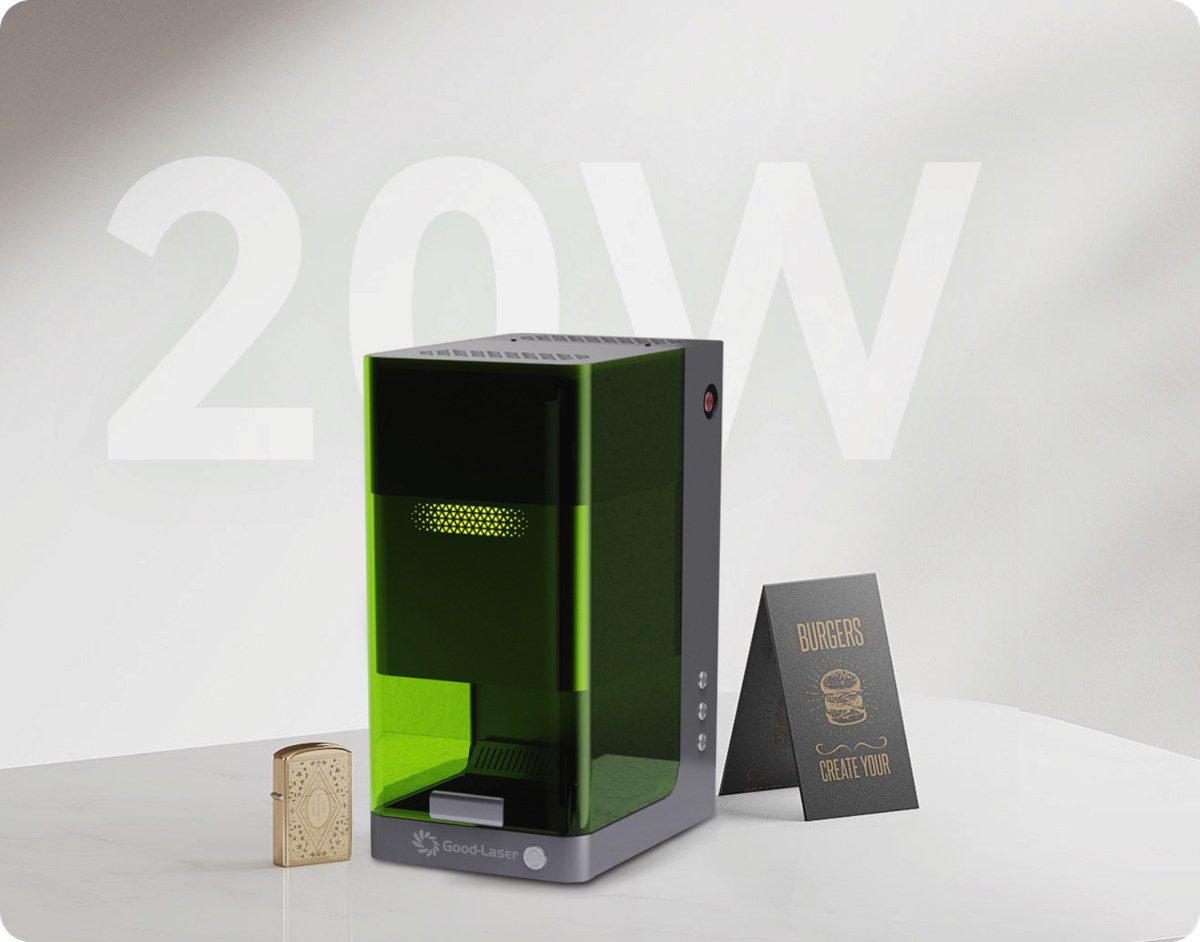
The product page discusses readable codes and identification on metals. Buyers interested in camera-readable laser marking on stainless steel can use that page as the starting point for a supplier discussion.
These are published general specifications, checked on October 28, 2026. They do not establish a firearm-qualified configuration. The reviewed page does not document firearm-specific validation or ATF certification. Ask Good-Laser to confirm the supported application, supplied safeguards, and acceptance evidence in writing before placing an order.
What to ask a supplier before requesting a quote
Written application support
Describe the intended business activity plainly. Ask whether it is supported, what exclusions apply, and what evidence the supplier can provide. If the answer is a generic list of materials, the application question is still open.
Keep the equipment quotation separate from legal advice. A salesperson can explain the supplied system and warranty; the applicable regulator or qualified legal adviser should address the business’s obligations.
Protective features and workspace requirements
Request the laser classification and safety documentation for the complete delivered configuration. Ask how access is controlled, what extraction is required, and what training is included. A colored panel in a product photograph is not enough to determine the system’s protective performance.
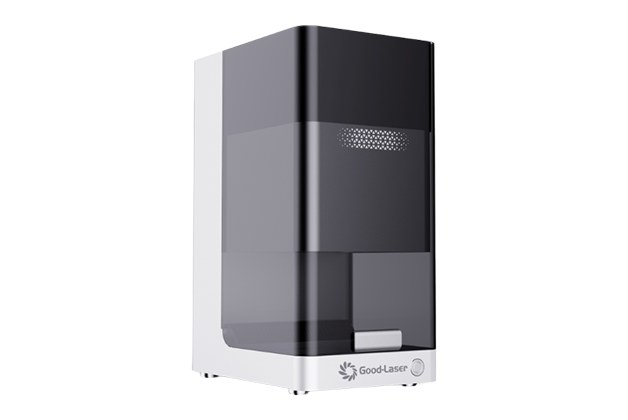
The NIST laser safety program provides a useful reference for the scope of a safety review: hazard identification, engineering and administrative controls, appropriate protective equipment, controlled areas, and training. Its program is not a certification of any machine shown here.
Software and support
Ask for a demonstration of the software supplied with the quoted machine. The laser engraver software page introduces Good-Laser’s design tools. Confirm compatibility with the quoted model, since a general software page does not establish Mark M20 support. Check artwork import, text handling, file storage, and the operating systems your team uses. If a separate application is important to your workflow, obtain written compatibility confirmation.
Also establish who handles installation questions, how support is delivered, which consumables or replacement items are available, and what the warranty excludes. These details are easier to settle before the equipment arrives.
Budget for the complete installation
The purchase price is only one part of the budget. Compare written quotations on a common basis so a lower headline price does not conceal missing equipment or services.
| Budget item | Question for the quotation |
|---|---|
| Machine configuration | Which model, software, and included accessories are specified? |
| Workspace provisions | What guarding, extraction, electrical work, and installation are included? |
| Training and support | What training is delivered, and how are support requests handled? |
| Ownership costs | What recurring software, filter, maintenance, or replacement costs should be expected? |
| Delivery | Are freight, duties, taxes, and commissioning included? |
For occasional personalization, compare equipment ownership with using an appropriately qualified service provider. Include the time your own team would spend on administration, artwork, training, and quality review. No universal payback period can be inferred from the machine’s advertised speed.
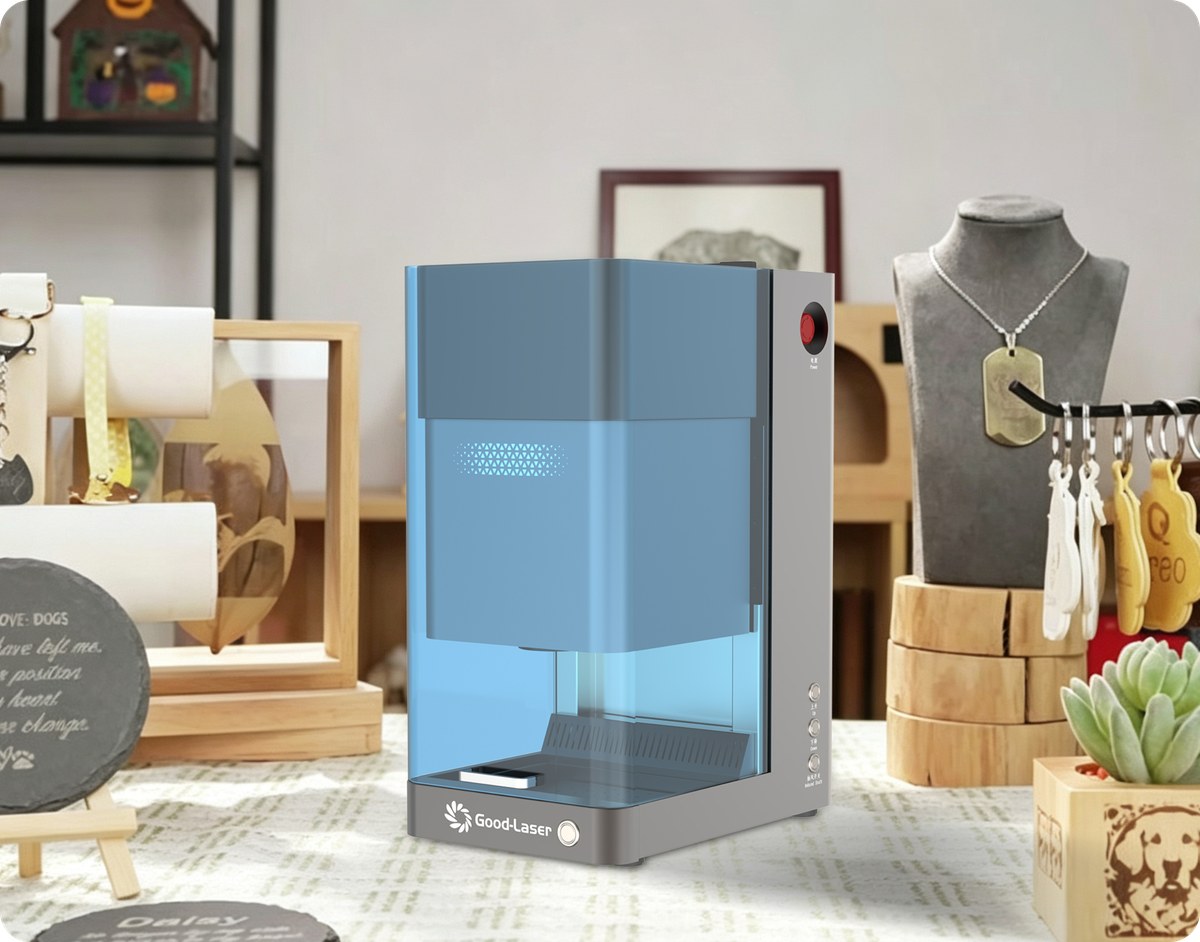
Keep decorative work and legal identification separate
In the United States, 27 CFR § 478.92 addresses firearm identification by licensed manufacturers and importers. Other rules can apply depending on the activity and item. Decorative personalization does not replace required identification, and a machine brochure does not establish compliance.
Have the applicable obligations reviewed before accepting regulated work. Preserve existing identifying marks and refer any question about them to a qualified professional. Outside the United States, use the relevant local authority’s requirements rather than importing U.S. guidance into a different jurisdiction.
Frequently asked questions
What is the best laser engraver for firearms?
There is no defensible universal choice. The answer depends on the intended activity, documented application support, protective features, and the evidence available for the proposed use. Compare complete systems and supplier commitments. A broad metal-marking specification or a ranked product list cannot settle firearm suitability.
Is every fiber laser suitable for firearm engraving?
No. General metal-marking capability is only part of the assessment. The complete configuration, supported application, material condition, and applicable requirements also matter. Ask the supplier to identify its supported scope in writing rather than inferring approval from the words “fiber laser.”
Does higher laser power guarantee a better purchase?
No. A power rating does not describe the complete system, the quality of support, the protective provisions, or the result your business needs. Compare documented capabilities and the full quotation. This guide does not assign a wattage threshold for firearm work or claim that a rating establishes compliance.
Can one machine cover metal marking and presentation-box engraving?
That depends on the documented material range of the particular configuration. Metal identification and wooden presentation-box personalization are different applications. Ask the supplier to confirm each intended use separately, including the material and finish. Do not assume that a broad “multi-material” description covers the whole project list.
Is the Good-Laser Mark M20 certified for firearm engraving?
The public product information reviewed for this article describes general fiber laser marking capabilities. It does not establish firearm-specific certification or application validation. Any proposed use needs direct confirmation from Good-Laser, alongside the buyer’s independent review of the applicable obligations.
What information should I prepare for an equipment enquiry?
Prepare a description of the lawful intended activity, the general materials and finishes, expected workload, workspace constraints, software needs, and support expectations. Ask the supplier to identify supported uses and exclusions. Avoid treating an informal sales discussion as a substitute for written application approval.
Discuss the application before choosing a configuration
When discussing your requirements with a laser cutting machine supplier, state that your enquiry concerns marking and personalization so it reaches the appropriate team. Contact Good-Laser with your intended application and purchasing requirements. Ask whether the project is supported and request a written scope, configuration details, and relevant documentation. That conversation will establish whether the Mark M20 belongs on your shortlist and what remains to be verified.